
Optimal Timing for Gas Line Service
Understanding the optimal timing for gas line service can help ensure safety and reliability. Proper scheduling depends on various factors including seasonal changes, usage patterns, and maintenance needs.
Spring and fall are ideal times for gas line inspections, as weather conditions are moderate and allow for thorough checks without weather-related disruptions.
Signs such as gas odors, pilot light issues, or inconsistent appliance performance suggest the need for service regardless of season.
Regular maintenance reduces the risk of leaks, improves efficiency, and extends the lifespan of gas infrastructure.
Extreme cold can cause pipes to contract, increasing the risk of leaks, while hot weather may lead to expansion and potential issues requiring attention.
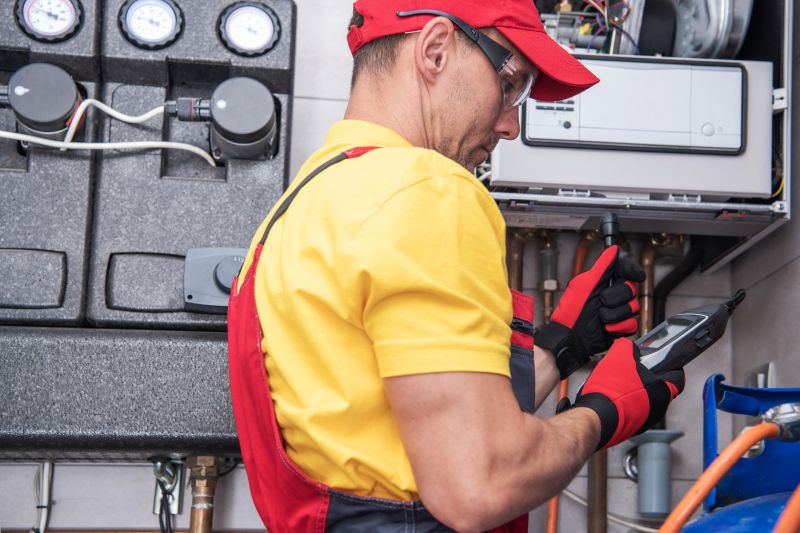
Technicians examine pipelines for corrosion, leaks, and damage to ensure safety and performance.
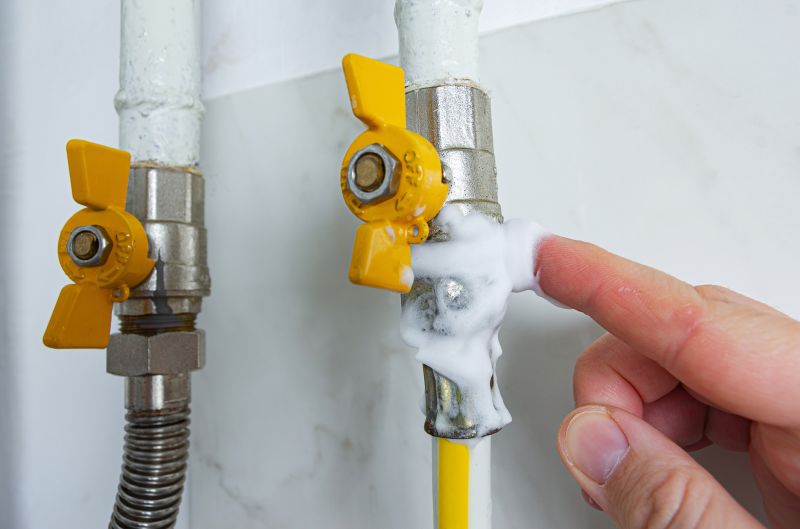
Specialized equipment detects leaks early, preventing potential hazards.
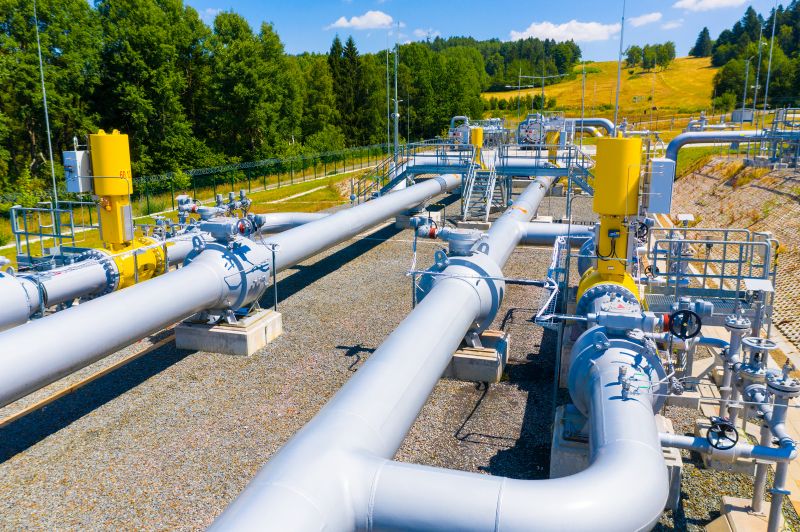
Maintenance includes cleaning, repairs, and upgrades to maintain optimal function.
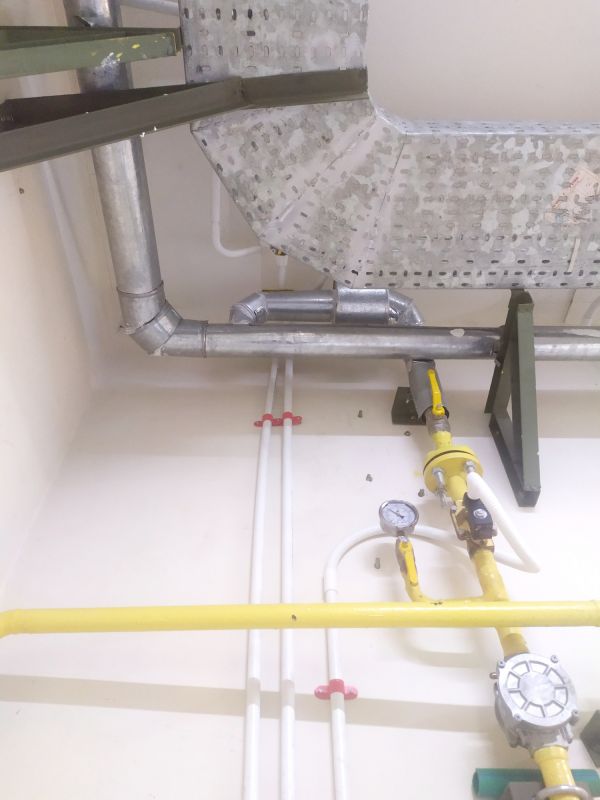
Ways to make Gas Line Service work in tight or awkward layouts.
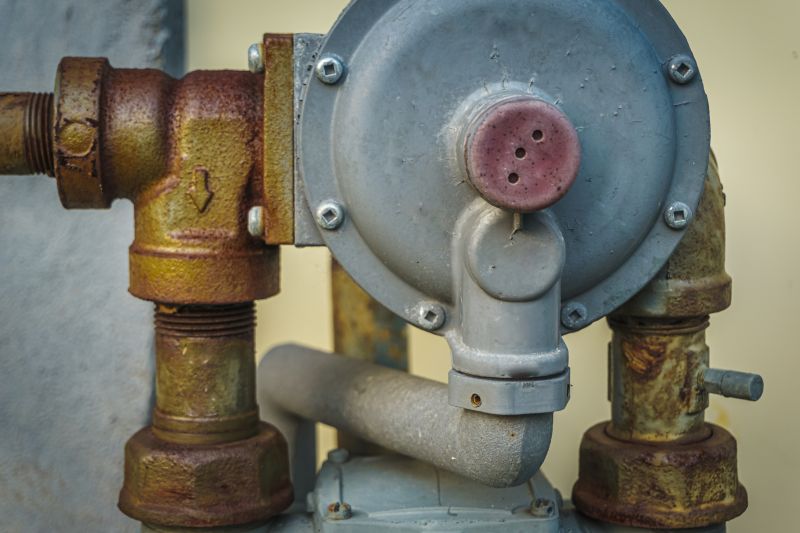
Popular materials for Gas Line Service and why they hold up over time.
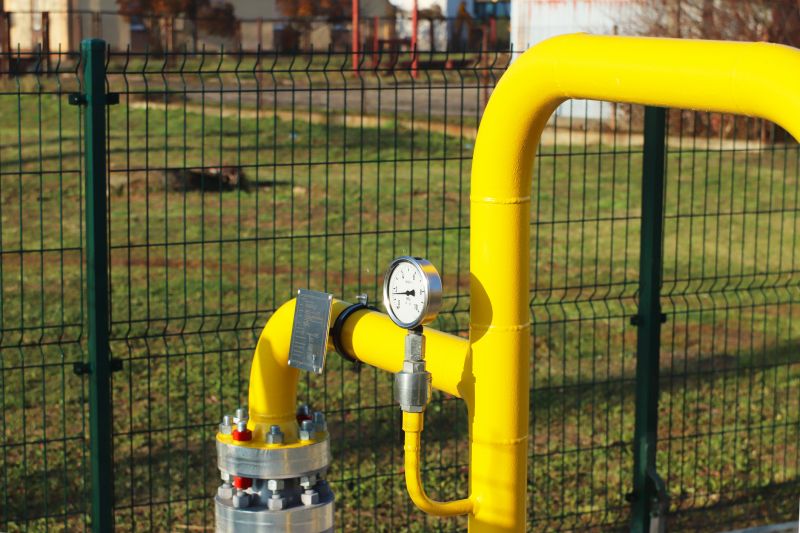
Simple add-ons that improve Gas Line Service without blowing the budget.
| Question | Answer |
|---|---|
| When is the best time for gas line service? | Spring and fall are recommended for inspections due to moderate weather conditions and optimal scheduling. |
| Can gas lines be serviced during extreme weather? | While possible, extreme cold or heat may delay or complicate service, making moderate seasons preferable. |
| How often should gas lines be inspected? | Typically, inspections are recommended every 3 to 5 years, or sooner if issues are suspected. |
| Are there signs that indicate urgent gas line service is needed? | Yes, including gas odors, pilot light problems, or inconsistent appliance operation. |
| Is seasonal maintenance necessary? | Yes, especially before winter, to prevent issues caused by cold temperatures. |
| What safety measures are involved in gas line service? | Technicians use specialized detection tools and follow safety protocols during inspections and repairs. |
| Can gas line service improve efficiency? | Yes, regular maintenance can optimize gas flow and appliance performance. |
| Is emergency service available for gas line issues? | Emergency services are available for urgent repairs or leaks to ensure safety. |
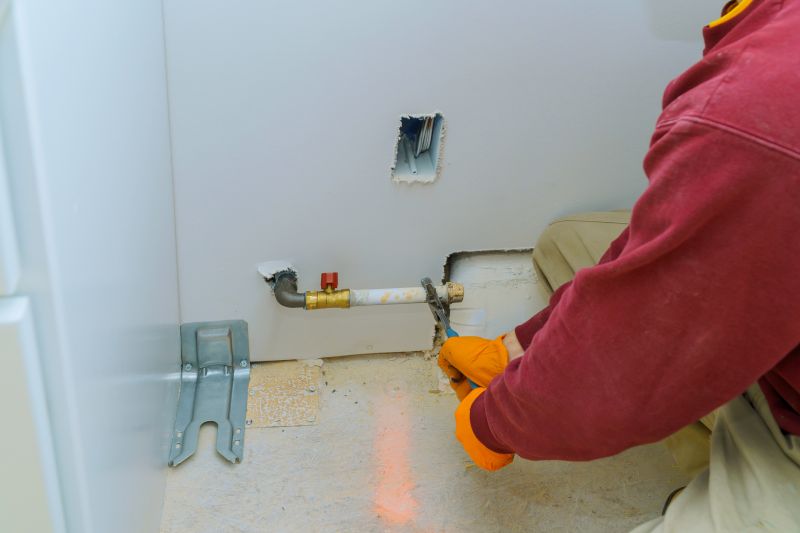
Addressing leaks and damages promptly to maintain safety.
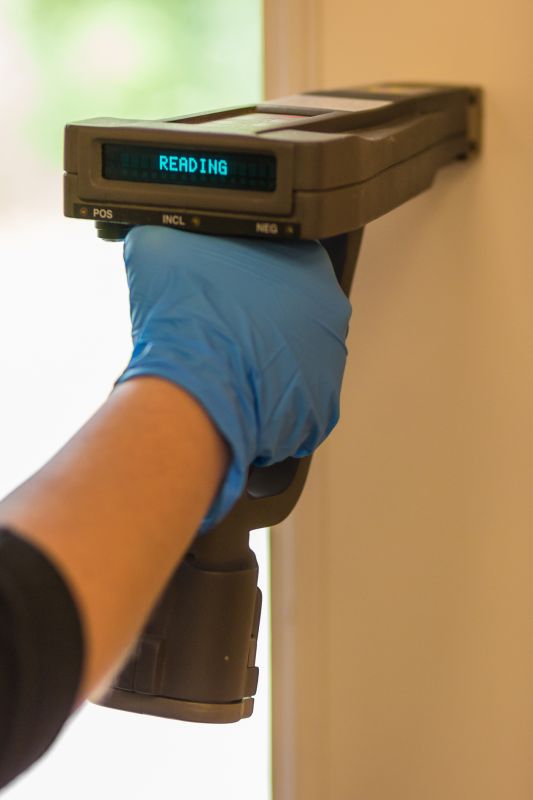
Advanced tools used for precise identification of leaks.
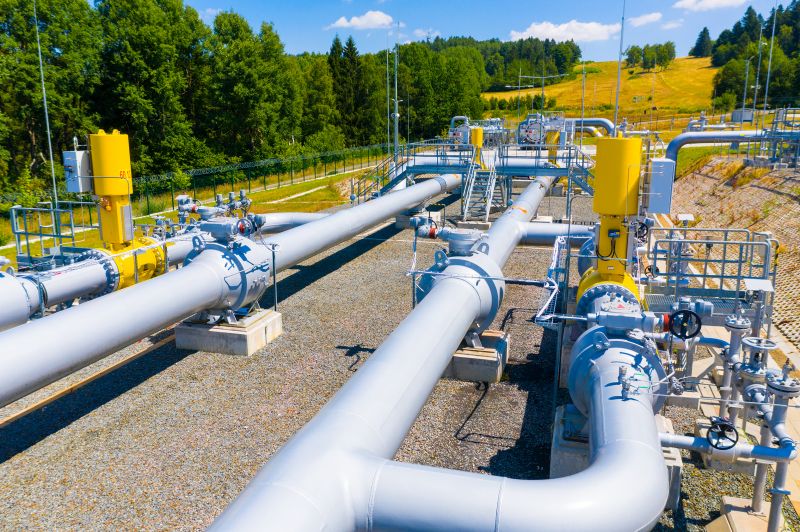
Modernizing old pipelines for better safety and efficiency.
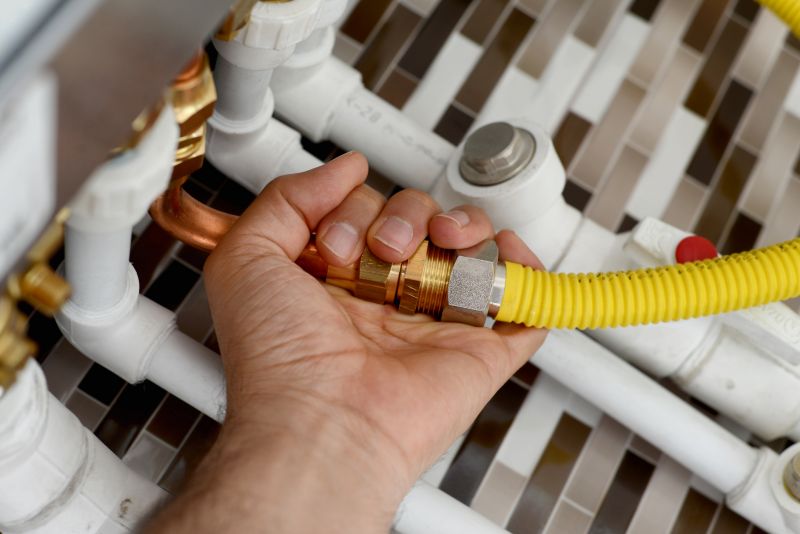
Expert advice on maintenance schedules and safety practices.
Gas line service involves inspecting, maintaining, and repairing pipelines that supply natural gas to residential and commercial properties. Proper timing and regular inspections are crucial for safety, efficiency, and compliance with local regulations. Seasonal considerations, such as preparing for winter, can help prevent issues caused by temperature fluctuations. Advances in detection and repair technologies have improved the safety and reliability of gas infrastructure, reducing the risk of leaks and failures.
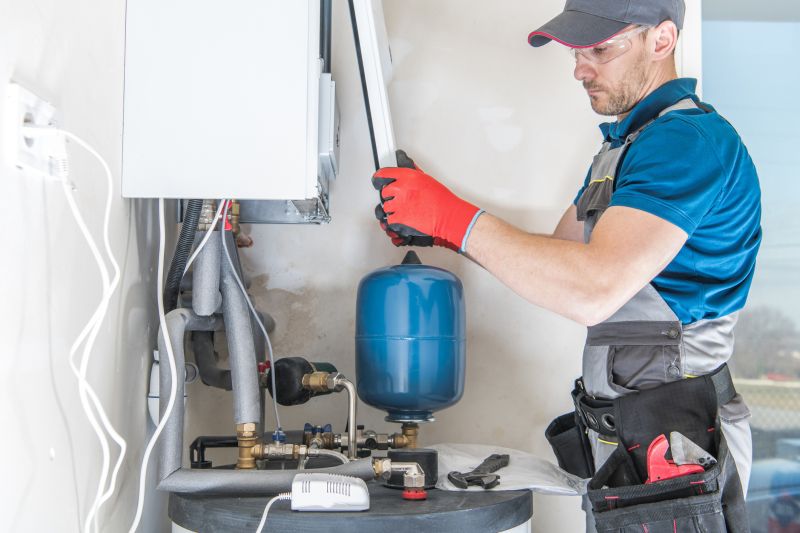
Tools used for safe inspection and leak detection.
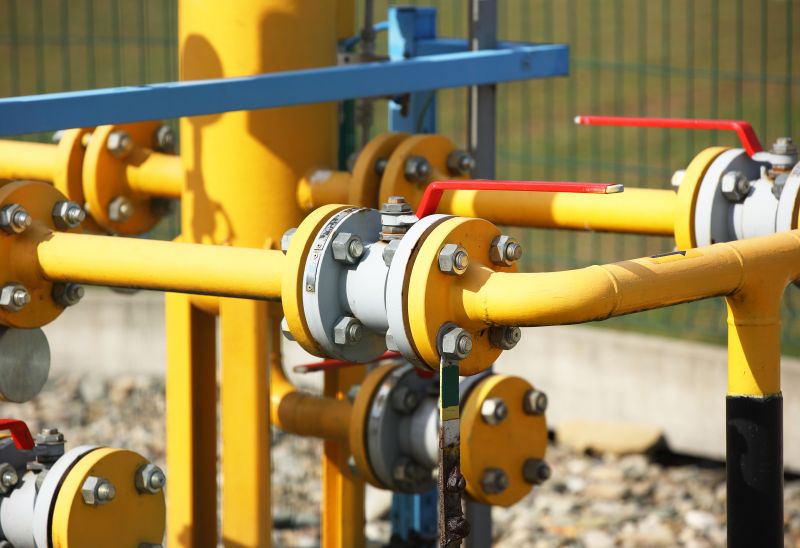
Immediate response to urgent leaks or damages.
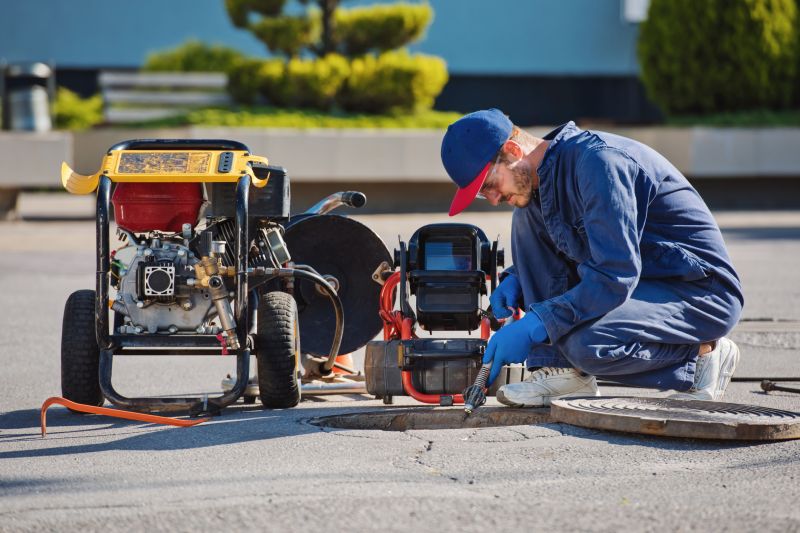
High-tech devices for thorough evaluations.
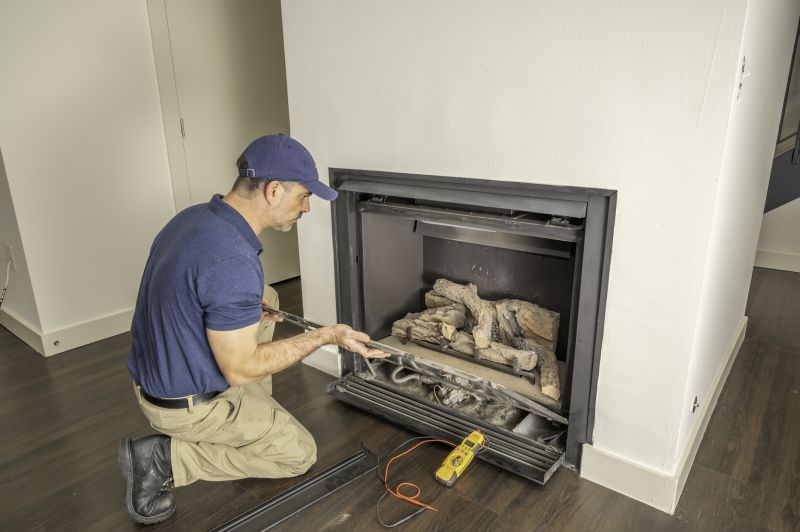
Professional technicians performing maintenance.
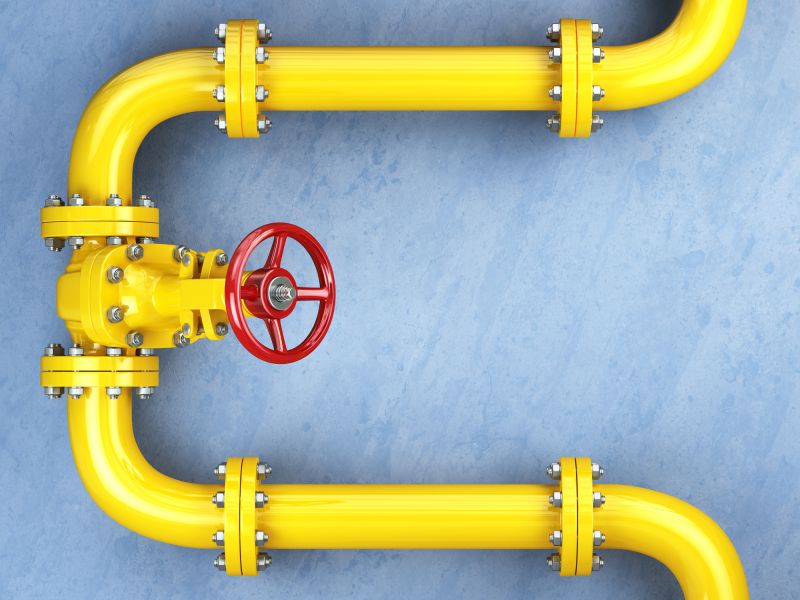
High-end options that actually feel worth it for Gas Line Service.
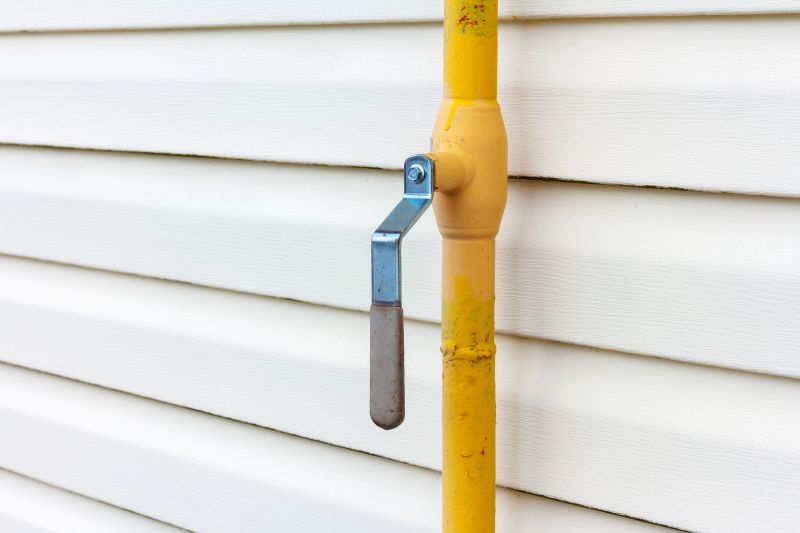
Finishes and colors that play nicely with Gas Line Service.
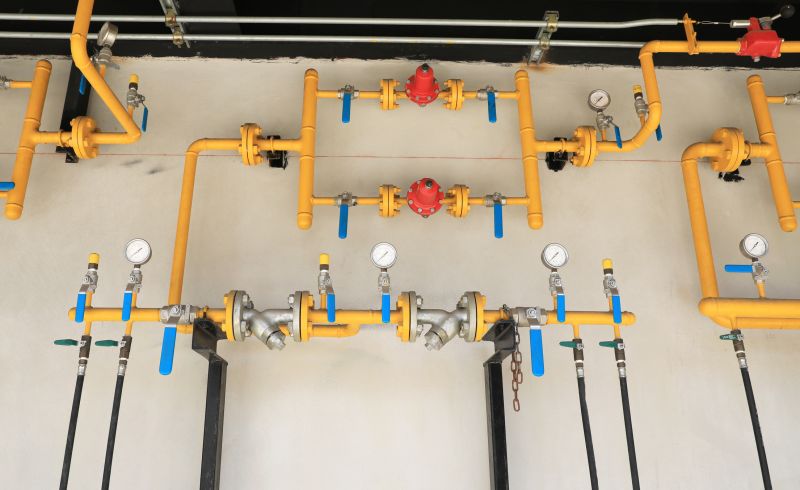
Little measurements that prevent headaches on Gas Line Service day.
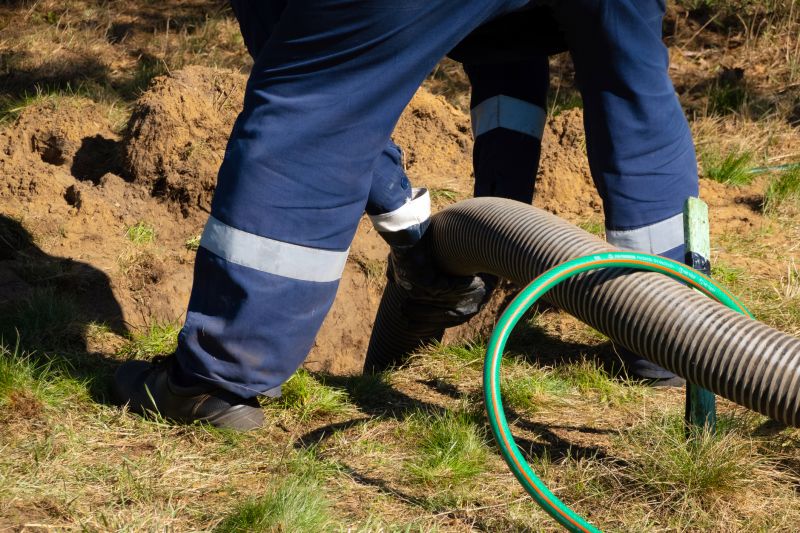
A 60-second routine that keeps Gas Line Service looking new.
Interested parties are encouraged to contact for further details or to schedule an inspection. Regular gas line service enhances safety and ensures continued reliable operation of gas-powered appliances and systems.